
Creating a cozy and productive home office space is essential for anyone working remotely or spending hours at a desk. The right environment can boost your focus, reduce stress, and help maintain a healthy work-life balance. Whether you have a dedicated room or just a corner in your apartment, thoughtful design and smart choices will transform your workspace into a comfortable and inspiring place. Here are some tips to help you craft a home office that works for you.
1. Choose the Right Location
The foundation of a good home office is its location within your home. Consider these factors when picking your workspace:
– Quietness: Select a spot away from noise and household distractions.
– Natural Light: Aim for a space with plenty of natural light to keep your mood and energy levels up.
– Space: Ensure there’s enough room for your desk, chair, and other essentials.
– Privacy: If you share your home with others, a door or a divider might help create a boundary.
Even a small nook can work well with some creative planning.
2. Invest in Comfortable and Supportive Furniture
Your physical comfort directly impacts productivity. Ergonomic furniture reduces the risk of strain and injury.
– Ergonomic Chair: Choose a chair with adjustable height, lumbar support, and comfortable padding.
– Desk: Ensure your desk has enough surface area for your computer, notebooks, and other tools.
– Monitor Stand: Use a stand if you work with screens to keep your eyes at a comfortable level.
– Footrest: This can improve posture and circulation if your feet don’t reach the floor easily.
Comfortable furniture will help you stay focused longer without fatigue.
3. Optimize Lighting
Good lighting protects your eyes and creates a welcoming atmosphere.
– Natural Light: Position your desk near a window if possible, avoiding glare directly on the screen.
– Task Lighting: Use a desk lamp with adjustable brightness and direction for focused work.
– Ambient Lighting: Soft overhead lighting or floor lamps balance the light and reduce eye strain.
– Color Temperature: Daylight bulbs (around 5000K) can keep you alert, while warmer tones feel cozy for breaks.
Proper lighting makes your workspace pleasant and reduces headaches.
4. Organize and Declutter
A clutter-free space promotes clear thinking and efficiency.
– Storage Solutions: Use shelves, drawers, and organizers to keep supplies accessible but out of sight.
– Cable Management: Use clips, sleeves, or ties to keep cords neat and prevent tangling.
– Daily Cleanup: Spend a few minutes at the end of each day tidying your desk.
– Minimal Decor: Choose a few meaningful items like plants or photos but avoid overcrowding surfaces.
Organized spaces reduce distractions and help maintain a calm environment.
5. Personalize Your Space
Make your home office reflect your personality to feel more comfortable and motivated.
– Decor: Add artwork, inspirational quotes, or a vision board.
– Plants: Indoor plants improve air quality and add a touch of nature.
– Colors: Use colors that energize or calm you, such as blues for focus or soft greens for relaxation.
– Comfort Items: Keep a cozy blanket or cushion nearby for breaks.
Personal touches create a space you enjoy spending time in.
6. Establish a Routine and Boundaries
A well-designed space supports healthy habits that boost productivity.
– Regular Hours: Try to start and finish work at consistent times.
– Break Area: If possible, have a separate spot for breaks to mentally separate work from rest.
– Limit Distractions: Turn off non-essential notifications and communicate boundaries with household members.
– Ergonomic Breaks: Stand, stretch, or move every hour to avoid stiffness.
A routine helps your brain associate your home office with work and focus.
7. Use Technology Wisely
Equip your workspace with technology that enhances your workflow without overcrowding the area.
– Reliable Internet: A stable connection prevents frustrating interruptions.
– Noise-Cancelling Headphones: Useful for concentration in noisy homes.
– Organizational Apps: Use calendars, task managers, or note-taking software to stay on track.
– Backup Power: Consider a surge protector or an uninterruptible power supply for important devices.
Simplifying tech setups can help you maintain focus.
8. Keep Air Fresh and Comfortable
Air quality and temperature affect alertness and comfort.
– Ventilation: Open windows for fresh air when possible.
– Air Purifiers: Helpful if your space tends to be stale or dusty.
– Temperature Control: Use fans, heaters, or adjust thermostats to maintain a comfortable temperature.
– Humidity: A humidifier can help if the air is too dry.
A comfortable environment keeps your mind sharp and reduces fatigue.
—
Final Thoughts
Designing a cozy and productive home office is about balancing comfort, functionality, and personal taste. By thoughtfully selecting your location, furniture, lighting, and organization methods, you create a space that supports your work goals and wellbeing. Remember that small changes can make a big difference—experiment with what feels right for you and keep refining your space as your needs evolve. With these tips, you’ll enjoy working from home more than ever.
Related Posts
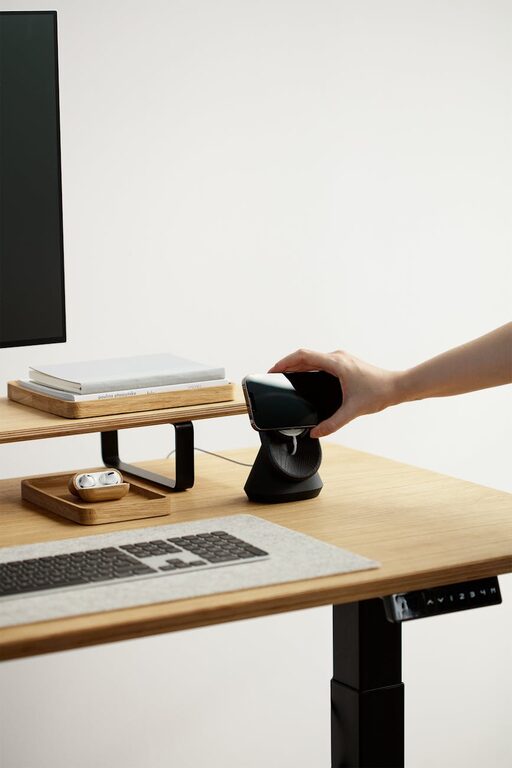
Tips for Creating a Cozy and Inviting Home Office Space
Creating a home office that feels both cozy and inviting…
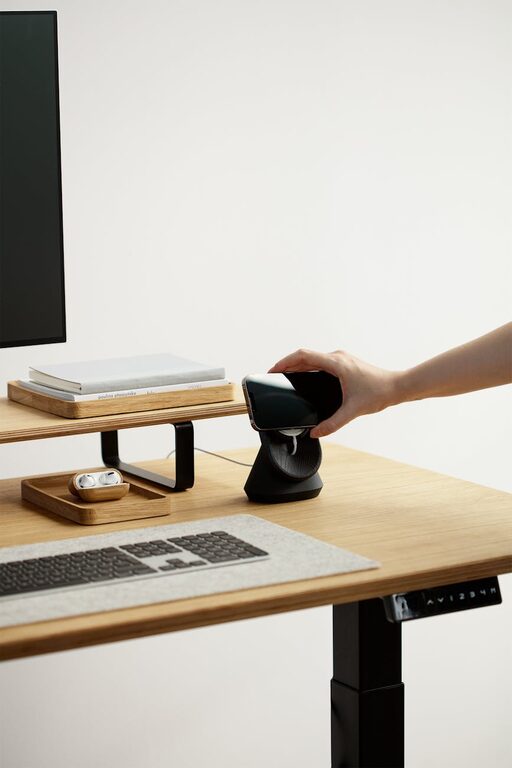
Tips for Organizing a Clutter-Free Home Office to Boost Productivity
Creating a productive work environment at home starts with organization.…
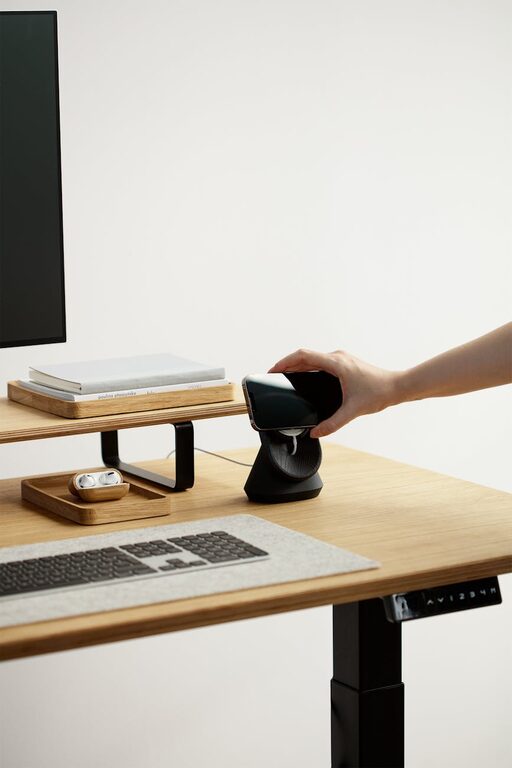
Tips for Creating a Cozy and Productive Home Office Space
Working from home has become more common than ever, making…